Are Dental Implants Safe?
Risks, Success Factors & Who Should Wait
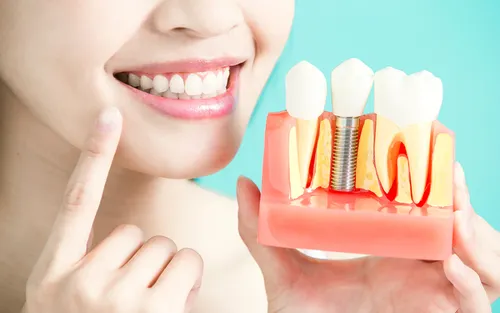
Dental implants are a well-established way to replace missing teeth, but “safe” does not mean “risk-free.” The safety of implant treatment depends on proper diagnosis, surgical planning, bone and gum health, medical conditions, smoking status and long-term cleaning.
For many suitable adults, implants can be placed predictably. The more important question is whether you are a good candidate right now, or whether a health or dental issue should be controlled first.
Key point: many conditions do not permanently rule out implants. They may simply mean treatment should be delayed, modified or coordinated with your physician until risk is better controlled.
What Makes Dental Implant Treatment Safer?
- Accurate diagnosis and appropriate 3D imaging when indicated
- Enough healthy bone in a safe position
- Healthy, maintainable gum tissue
- Control of active infection
- Appropriate implant size and position
- Stable bite and careful loading
- Good home cleaning and professional maintenance
What Are the Main Risks?
| Risk | When It Can Occur | How Risk Is Reduced |
|---|---|---|
| Failure to integrate | Early healing | Good stability, infection control and avoiding premature overload |
| Infection | Early or late | Oral hygiene, surgical technique and maintenance |
| Peri-implant disease | Months or years later | Plaque control and regular review |
| Nerve symptoms | Selected lower-jaw sites | Imaging and safe implant positioning |
| Sinus complications | Upper back-jaw sites | Anatomical assessment and planning |
| Mechanical problems | After restoration | Correct bite, component design and review |
Can People With Diabetes Get Dental Implants?
Many people with well-controlled diabetes can be considered for implant treatment. Poorly controlled blood glucose can impair healing and increase infection risk, so medical control and periodontal health matter before elective surgery.
Your dentist may ask about recent diabetes control and coordinate with your physician when necessary.
What About Smoking?
Smoking is an important modifiable risk factor because it affects healing and periodontal tissues. Smokers can receive implants, but the risk profile is less favourable, particularly when smoking is heavy or gum disease is present.
Reducing or stopping tobacco use improves the environment for healing and long-term maintenance.
Do You Need “Perfect” Bone?
No. Bone volume and quality vary. Some sites can accept an implant directly; others need grafting. What matters is whether the final implant can be surrounded by sufficient healthy bone in a safe position.
Who May Need to Delay Implant Treatment?
- Patients with uncontrolled active gum disease
- People with untreated dental infection at the proposed site
- Patients with poorly controlled systemic conditions that affect healing
- People undergoing certain medical treatments where elective surgery should be postponed
- Growing children whose jaws have not completed development
- Patients currently unable to maintain basic oral hygiene
A delay is not necessarily a permanent “no.” It can be an opportunity to improve the conditions for success.
Are Implants Safe in Older Adults?
Age alone is not the deciding factor. Bone, general health, medication history, gum health and ability to maintain the implant are more important than chronological age.
What About Blood Thinners and Other Medicines?
Always give the dentist a complete medication list. Do not stop prescribed medication on your own. The dental and medical teams can decide whether any adjustment is necessary.
How Does 3D Planning Improve Safety?
CBCT imaging can show bone dimensions and important anatomical structures in three dimensions. It is particularly useful when implant position is close to the lower-jaw nerve, sinus or adjacent roots.
How Do You Lower Your Own Risk?
- Tell the dentist about all medical conditions and medicines
- Control gum disease before implant placement
- Avoid smoking and tobacco
- Follow post-operative instructions carefully
- Do not skip maintenance once the implant feels “normal”
- Report bleeding, swelling or mobility early
How Is This Different From an Implant Procedure Guide?
This page focuses on safety and risk. If you want the exact sequence from consultation to final crown, read our step-by-step dental implant procedure guide.
If your main question is whether your missing tooth situation makes you a candidate, our implant candidacy guide covers common indications without repeating this risk-focused discussion.
Frequently Asked Questions
Can dental implants fail?
Yes. Failure can occur during early integration or later because of infection, bone loss, overload or mechanical complications. Good planning and maintenance reduce risk but do not eliminate it.
Are implants safe if I have gum disease?
Active periodontal disease should generally be brought under control first because plaque-related inflammation can also threaten tissues around an implant.
Can I get dental implants if I smoke?
Smoking does not make treatment impossible in every case, but it increases healing and long-term periodontal risks. Stopping or reducing tobacco use improves the treatment environment.
Are dental implants safe for older adults?
Age alone is not the deciding factor. General health, bone, medications, gum health and ability to maintain the implant are usually more important.
How do I know if I am a good implant candidate?
A clinical examination and appropriate imaging are needed. The dentist evaluates bone volume, gum health, medical history, medicines, bite forces and whether active infection needs treatment first.
Dental Implant Safety Assessment in Anandbagh
At Dr. Sri Sushma Multispeciality Dental Clinic in Anandbagh, treatment is planned after a clinical examination rather than from symptoms alone. We serve patients from Anandbagh, Moula Ali, Malkajgiri, Sainikpuri, AS Rao Nagar, ECIL and nearby Hyderabad and Secunderabad areas.
An implant consultation should review the missing-tooth site, bone, gums, bite, health conditions, medicines and long-term cleaning before treatment is recommended.
Get your bone, gums and health factors assessed · Open 9AM–9PM · 365 days a year