Skip to content
Children · Teens · Adults · All Ages Welcome

Dental Braces in Hyderabad
Metal, Ceramic & Self-Ligating Braces for All Ages

Dental braces use controlled orthodontic forces to gradually move teeth and improve alignment. They can be used for crowded, rotated or spaced teeth and for selected bite problems. At Dr.Sri Sushma Multispeciality Dental Clinic in Anandbagh, Hyderabad, braces treatment is planned according to tooth position, bite, gum health, age and individual orthodontic needs. After active treatment, retainers are used to help maintain the corrected tooth positions.
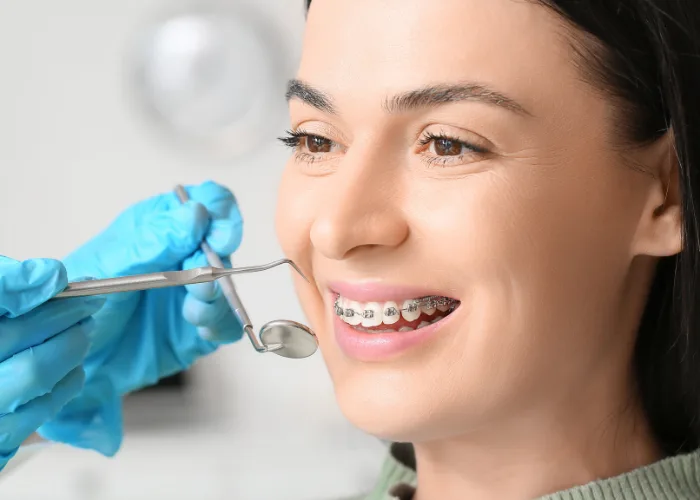
Orthodontic Assessment · Metal & Ceramic Braces
ISO Certified
Comfort-Focused Care
MDS Specialist-Led
Open 365 Days
Dental Braces in Hyderabad at Dr.Sri Sushma Multispeciality Dental Clinic, Anandbagh Hyderabad
★★★★★
5.0 Google Rating
About This Treatment

Dental Braces in Hyderabad
What You Need to Know

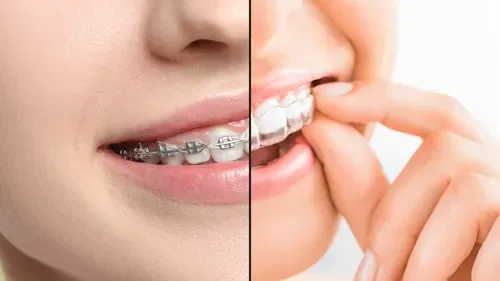
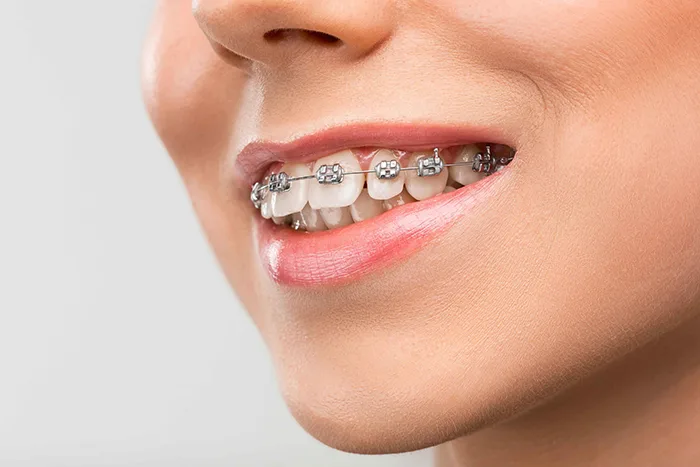
Fixed braces use brackets attached to the teeth and an orthodontic archwire to guide tooth movement gradually over time. This page focuses specifically on braces — the types available, what each costs, and what wearing braces is like day to day. For the wider picture of orthodontic treatment — including bite correction, clear aligners and early orthodontic assessment for children — see our Orthodontic Treatment page. We offer metal braces, ceramic tooth-coloured braces and self-ligating braces at our Anandbagh clinic. Treatment duration varies by case, but many comprehensive fixed-braces cases take around 12–24 months.

Book a Consultation
Why Choose This Treatment

Why Choose Dental Braces in Hyderabad?

Gradually correct crowded, gapped, or rotated teeth

Improve selected bite problems when braces form part of the appropriate orthodontic treatment plan

Provide precise control of individual tooth and root movement

Ceramic tooth-coloured braces available for patients who prefer a less noticeable fixed appliance

Self-ligating braces available for suitable orthodontic cases

Orthodontic assessment included before treatment planning

Suitable for children, teens, and adults when clinically appropriate

Payment can be staged across treatment visits depending on the agreed treatment plan

How It Works

Your Treatment Journey
Step by Step

1
Orthodontic Evaluation & Records
Assessment of bite, tooth position, crowding or spacing, gum health and facial proportions. Dental photographs, X-rays and digital scans may be recommended depending on the case.
2
Braces Placement
Brackets are bonded to the teeth and the archwire is attached. Placement is generally well tolerated, although pressure or soreness can develop afterwards as the teeth begin responding to orthodontic forces.
3
Regular Adjustment Visits
Adjustment and monitoring visits are scheduled throughout treatment to guide tooth movement, assess the bite and check oral hygiene. The interval between visits depends on the appliance and stage of treatment.
4
Braces Removal
Brackets and adhesive are carefully removed once the planned tooth movements are complete. The teeth are then cleaned and the final alignment is reviewed.
5
Retainer & Long-Term Maintenance
Custom retainers are prescribed to help maintain the corrected tooth positions. The type of retainer and wearing schedule depend on the individual case.
Treatment Options

Types of Dental Braces in Hyderabad

Ceramic (Tooth-Coloured) Braces
Ceramic braces work on the same fixed-braces principle as metal braces but use tooth-coloured or translucent brackets that are less noticeable. They are often chosen by adults and older teenagers who want a more discreet fixed appliance.
Less noticeable than conventional metal brackets
Fixed appliance — no need to remember to insert or remove trays
Suitable for many of the same tooth movements treated with metal braces
Self-Ligating Braces (Damon System)
Self-ligating braces use brackets with a built-in mechanism to hold the orthodontic archwire instead of conventional elastic ties. They can be useful for selected patients, but overall treatment time depends mainly on case complexity, biological tooth movement and the treatment plan rather than bracket type alone.
Built-in bracket mechanism holds the orthodontic wire
No conventional elastic ligatures around each bracket
Can make bracket cleaning more straightforward for some patients
Ready to Start Your Dental Braces in Hyderabad Treatment?
Open 9AM–9PM · Every Day · Same-day appointments may be available
Common Questions

Frequently Asked Questions

What is the best age to get braces in Hyderabad?
There is no single best age for every patient. An orthodontic assessment can be useful from around age 7 when there are concerns about jaw growth, eruption or bite development, but this does not mean every child needs braces at that age. Comprehensive braces treatment often begins later after more permanent teeth have erupted. Adults can also have braces when their teeth, gums and supporting bone are suitable.
How long does braces treatment take?
Many comprehensive braces treatments take around 12–24 months, but the timeline varies. Minor tooth movement may take less time, while significant crowding, impacted teeth or complex bite correction can take longer. Treatment also depends on biological response, growth, missed appointments, broken appliances and patient cooperation.
Are braces painful?
Braces placement is usually well tolerated. Pressure, tenderness or soreness can occur for a few days after placement and after some adjustment appointments as the teeth respond to orthodontic forces. Most patients adapt gradually. If you develop severe pain, a broken wire or significant swelling, contact the clinic for assessment.
What is the cost of braces in Hyderabad?
Cost depends on the type of appliance, the complexity of the orthodontic problem and the treatment plan. Our braces cost guide compares metal, ceramic, self-ligating and aligner treatment. Exact pricing is confirmed after your orthodontic assessment.
Can I get braces as an adult?
Yes. Adults can undergo orthodontic treatment when their teeth, gums and supporting bone are suitable. Adult treatment planning may need additional consideration when there is gum disease, missing teeth, crowns, bridges, implants or previous dental treatment. Gum health should be stable before significant orthodontic movement begins.
What should I avoid eating with braces?
Very hard, sticky and chewy foods can damage brackets or wires. Avoid chewing ice, hard candy, sticky toffee and chewing gum. Harder fruits and vegetables such as apples or carrots can usually be eaten when cut into smaller pieces rather than bitten directly with the front teeth.
Will braces change my face shape or jawline?
Braces move teeth, not the jawbones, so in adults they don't reshape the jaw or chin. Straightening crowded or protruding front teeth can change how the lips sit and the side profile, which some people notice. In growing children, some appliances may influence how the jaws grow. Larger jaw differences in adults may need jaw surgery alongside braces. What is realistic for you is explained at the assessment.
Metal or ceramic braces: which suits me?
Both move teeth in the same way. Metal braces are more noticeable but very sturdy. Ceramic braces use tooth-coloured brackets that are harder to see, but they are slightly larger, can chip, can wear the teeth they bite against, and their elastic ties can stain with tea, coffee or turmeric. The choice depends on your bite, your treatment plan and how much appearance matters to you.
Can braces fix an overbite, underbite or gaps?
Braces can close gaps, straighten crowded teeth and correct many bite problems, including overbites and crossbites, by moving the teeth. Some patients also wear small elastics between the upper and lower braces to correct the bite. When a problem comes from the size or position of the jaws, braces alone may not be enough, and treatment that guides growth in children or jaw surgery in adults may be discussed.
Do braces have side effects or weaken teeth?
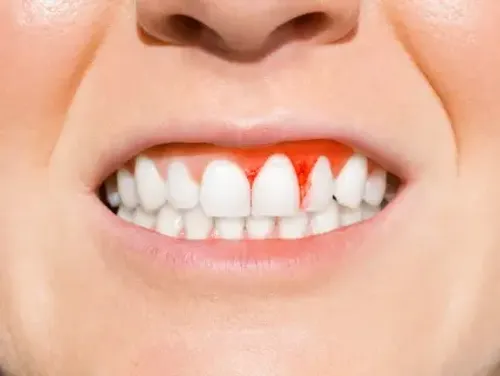
Braces don't weaken healthy teeth, but they make cleaning harder. Plaque trapped around the brackets can cause white marks on the enamel, decay or swollen gums, so careful brushing and limiting sugary food and drinks matter. Teeth are usually sore for a few days after fitting and after adjustments. The roots shorten slightly in most patients, which rarely matters, but it is monitored when needed.
Will my teeth move back after braces? Do I need a retainer?
Yes, teeth tend to drift back towards their old positions after braces come off, especially in the first months. A retainer holds them in place: either a removable clear retainer or a thin wire bonded behind the front teeth. Most people are advised to keep wearing a retainer, often at night, for the long term, and to keep their retainer review appointments.
Braces or clear aligners: which suits me?
Both can straighten teeth. Braces are fixed, so they work all the time and suit a wide range of problems, including more complex bites. Clear aligners are removable and harder to see, but they only work when worn for most of the day, every day. Some problems suit one option better than the other. The choice is made after an orthodontic assessment of your teeth and bite.
From Our Blog

Latest Dental Health Articles

View All Articles
← Hover to pause · Auto-scrolling →
Get Started Today

Book Your Dental Braces in Hyderabad Consultation
Same-Day Appointments May Be Available

Open 9AM–9PM, every day of the year. No long waiting, no surprise pricing. Walk in or book instantly on WhatsApp.

10+
Clinical Experience
10,000+
Patients Treated
MDS
Gum & Implant Specialist
5.0★
Google Rating
Chat on WhatsApp
Call +91 79958 15454