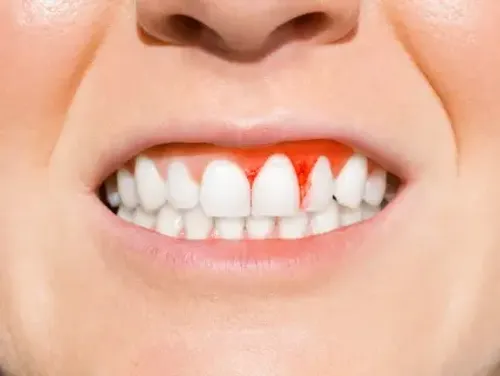
Bleeding Gums in Hyderabad:
Causes, Treatment & When to See a Dentist
Seeing blood on your toothbrush or in the sink after brushing is easy to ignore. But gums that bleed repeatedly are often telling you that something needs attention.
One of the most common causes is inflammation from plaque and tartar around the gum line. In its early stage, this is known as gingivitis. If it continues untreated, it can progress into a more serious form of gum disease called periodontitis.
Quick Summary: Occasional bleeding may happen from brushing too aggressively, but repeated bleeding during brushing or flossing should not be ignored. Plaque buildup, gingivitis and gum disease are common causes. Early professional cleaning and better daily oral hygiene can often prevent the problem from becoming more serious.
Why Are My Gums Bleeding?
Bleeding itself is a symptom rather than a diagnosis. The important question is what is causing the gum tissue to become inflamed or easily irritated.
| Possible Cause | What You May Notice | What Usually Helps |
|---|---|---|
| Plaque / gingivitis | Red, swollen gums that bleed during brushing or flossing | Professional cleaning and improved oral hygiene |
| Tartar buildup | Hard yellow or brown deposits near the gum line | Dental scaling |
| Periodontitis | Bleeding, gum recession, bad breath or loose teeth | Deep cleaning and periodontal treatment |
| Aggressive brushing | Bleeding after forceful brushing or using a hard brush | Softer toothbrush and gentler technique |
| Hormonal changes | Increased gum sensitivity, especially during pregnancy | Careful oral hygiene and dental monitoring |
| Certain medicines | Gums may bleed more easily than usual | Dental assessment and medical review when appropriate |
The Most Common Cause: Gingivitis
Plaque is a sticky bacterial film that continually forms on your teeth. When plaque remains along the gum line, it irritates the gum tissue and causes inflammation.
This early stage is called gingivitis. Typical signs include:
- Bleeding while brushing or flossing
- Red rather than healthy-looking gums
- Swollen or puffy gum tissue
- Tenderness around the gum line
- Persistent bad breath
Gingivitis is important to catch early because the inflammation is still limited mainly to the gums. Professional cleaning combined with consistent home care can often restore gum health before deeper supporting tissues become damaged.
If you want to understand how gingivitis progresses, read our complete guide to gum disease in Hyderabad.
What Happens If Bleeding Gums Are Ignored?
Gingivitis does not automatically become advanced gum disease in every patient, but persistent bacterial inflammation can eventually spread below the gum line.
When the tissues and bone supporting the teeth become involved, the condition is known as periodontitis.
Signs that the problem may have progressed include:
- Gums pulling away from the teeth
- Teeth appearing longer than before
- Persistent bad breath or unpleasant taste
- Pus around the gum line
- Spaces developing between teeth
- Teeth beginning to move or feel loose
At this stage, brushing harder will not solve the problem. A dental examination is needed to determine how much gum and bone support has been affected.
Can Brushing Too Hard Cause Bleeding Gums?
Yes. Brushing aggressively or using a hard-bristled toothbrush can traumatise the gums and contribute to bleeding or recession.
Good brushing is about technique, not force. Use a soft-bristled toothbrush and gently clean where the teeth meet the gums rather than scrubbing aggressively from side to side.
However, do not stop brushing an area simply because it bleeds. When plaque-induced inflammation is present, avoiding the area can allow more plaque to accumulate. Clean gently and arrange a dental examination if the bleeding persists.
Can Medicines Cause Gums to Bleed?
Some medicines can make bleeding easier to notice, particularly medicines that affect blood clotting.
If you take a prescribed blood thinner, do not stop or change your medication because your gums are bleeding unless the prescribing doctor specifically advises you to do so.
Tell your dentist which medicines you take. This helps determine whether the bleeding is mainly related to gum inflammation, medication, or a combination of factors.
Bleeding Gums During Pregnancy
Hormonal changes during pregnancy can make gum tissue more sensitive to plaque. Some patients therefore experience increased redness, swelling or bleeding, often referred to as pregnancy gingivitis.
Pregnancy is not a reason to avoid dental care. Maintaining good plaque control and attending recommended dental checkups can help keep the gums healthy throughout pregnancy.
How We Diagnose Bleeding Gums
Treatment begins by finding the cause. At a gum examination, the dentist may assess:
- Where and how easily the gums bleed
- Plaque and tartar accumulation
- Redness, swelling and gum recession
- The depth of spaces between the gums and teeth
- Tooth mobility
- Areas of tenderness or infection
- Bone levels on dental X-rays when clinically necessary
These findings help distinguish simple gingivitis from deeper periodontal disease.
Treatment for Bleeding Gums
1. Professional Scaling and Cleaning
When plaque and tartar are responsible, professional scaling is usually the first step. Scaling removes hardened deposits from tooth surfaces and around the gum line that cannot be removed with a toothbrush.
At our Anandbagh clinic, professional cleaning starts from ₹1,000. You can learn more on our preventive dentistry page.
2. Deep Cleaning
If periodontal pockets have formed below the gum line, deeper cleaning may be required. Scaling and root planing removes bacterial deposits from deeper tooth-root surfaces so the gums can heal more effectively.
3. Gum Disease Treatment
Moderate or advanced periodontal disease may require a personalised treatment plan involving deeper periodontal cleaning and, in selected cases, additional gum procedures.
See our gum treatment services in Hyderabad for more information.
4. Laser Gum Treatment
Dental lasers may be used in selected gum procedures as an adjunct to conventional periodontal treatment. Whether laser treatment is appropriate depends on the type and severity of the condition.
Read our guide to laser dentistry in Hyderabad for a detailed explanation.
What Can You Do at Home?
Home care is essential, but it works best after any hardened tartar has been professionally removed.
- Brush twice daily using a soft-bristled toothbrush
- Use fluoride toothpaste
- Clean between the teeth daily with floss or interdental brushes
- Avoid aggressive scrubbing along the gum line
- Clean the tongue to help reduce bacterial buildup
- Avoid smoking and tobacco products
- Attend regular dental examinations and cleanings
When Should You See a Dentist?
Arrange a dental examination if your gums bleed repeatedly or the bleeding continues despite improving your brushing and interdental cleaning.
You should be particularly careful if bleeding occurs with:
- Swollen or painful gums
- Persistent bad breath
- Gum recession
- Pus around a tooth
- Loose or shifting teeth
- Bleeding that happens without brushing or flossing
If you also experience unexplained bruising, prolonged bleeding elsewhere in the body, or other unusual symptoms, discuss them with your doctor as well as your dentist.
Frequently Asked Questions
Why do my gums bleed when I brush my teeth?
The most common reason is inflammation caused by plaque around the gum line. Brushing too aggressively can also irritate the gums. If bleeding happens regularly, a dental examination can determine whether gingivitis or another gum condition is present.
Are bleeding gums a sign of gum disease?
They can be. Bleeding during brushing or flossing is one of the common early signs of gingivitis. More advanced gum disease may also cause gum recession, persistent bad breath, deeper gum pockets and loose teeth.
Can bleeding gums heal without treatment?
Mild inflammation can improve when plaque is thoroughly removed and daily oral hygiene improves. However, hardened tartar cannot be brushed away at home and usually requires professional scaling.
Does scaling help stop bleeding gums?
If plaque and tartar are causing the inflammation, professional scaling removes these deposits and allows the gums to begin healing. Maintaining good brushing and interdental cleaning afterwards is essential.
How often should I have my gums checked?
The ideal interval depends on your individual risk. Many patients are reviewed approximately every six months, while people with active gum disease may need more frequent periodontal maintenance visits.
Bleeding Gum Treatment in Anandbagh, Hyderabad
At Dr. Sri Sushma Multispeciality Dental Clinic in Anandbagh, we evaluate the cause of bleeding gums before recommending treatment. Care may range from professional scaling and oral-hygiene guidance to deeper periodontal treatment when gum disease has progressed.
Our clinic serves patients from Anandbagh, Moula Ali, Malkajgiri, Sainikpuri, AS Rao Nagar, ECIL and nearby areas of Hyderabad and Secunderabad.
- Professional gum examination
- Ultrasonic scaling and cleaning
- Deep cleaning for periodontal disease when required
- Laser gum treatment for suitable cases
- Digital X-rays when clinically indicated
- Open 9AM–9PM, 365 days a year
Book a gum health checkup · Open 9AM–9PM · 365 days a year