Gap Between Teeth:
Causes & Best Treatment Options
A space between two teeth is called a diastema. Some gaps are a normal part of a person’s smile and never need treatment. Others appear because of tooth size, missing teeth, habits, gum disease or tooth movement.
The key question is not simply “How do I close the gap?” It is “Why is the gap there?” The cause determines whether braces, clear aligners, bonding, veneers, gum treatment or no treatment at all makes the most sense.
Quick guide: small cosmetic gaps may close with bonding in one visit. Multiple spacing problems often need orthodontics. A gap caused by gum disease should not be cosmetically closed until the periodontal problem is controlled.
What Causes a Gap Between Teeth?
| Cause | Typical Clue | Common Treatment Direction |
|---|---|---|
| Jaw-tooth size mismatch | Several teeth look evenly spaced | Braces or aligners |
| Small or peg-shaped teeth | One or two teeth look unusually narrow | Bonding or veneers, sometimes orthodontics first |
| High frenum attachment | Front gap persists or reopens | Orthodontics with frenectomy in selected cases |
| Missing tooth | Space where a tooth never formed or was lost | Open or close space depending on the plan |
| Tongue thrust or oral habit | Front teeth flare or spacing returns | Habit correction plus orthodontics |
| Gum disease | New spaces with bleeding, recession or mobility | Periodontal treatment first |
Do All Tooth Gaps Need Treatment?
No. A stable gap with healthy gums and a normal bite can be left alone if you like the appearance. Treatment becomes more important when spacing traps food, affects speech or function, keeps increasing, or is caused by active periodontal disease.
Braces for Tooth Gaps
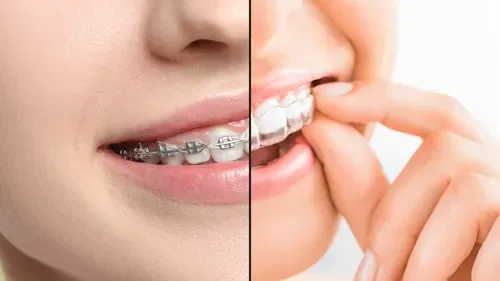
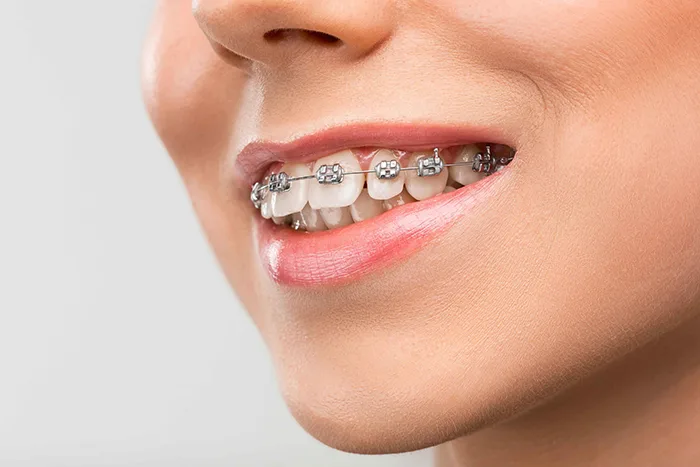
Braces move the teeth and their roots through bone. They are especially useful when the gap is part of a wider alignment or bite problem rather than an isolated cosmetic space.
Braces may be preferred when:
- There are several spaces across the arch
- Teeth are rotated, crowded or tipped as well as spaced
- The bite needs significant correction
- Root position needs precise control
Clear Aligners for Tooth Gaps
Clear aligners can close many mild-to-moderate spacing cases by moving teeth through a sequence of custom trays. They work best when the patient wears them consistently for the prescribed hours.
If you are choosing between fixed braces and removable aligners, see our clear aligners vs braces comparison.
Composite Bonding for a Small Front-Tooth Gap
Bonding adds tooth-coloured composite resin to the sides of one or both teeth, making them slightly wider so the space disappears. It can often be completed with minimal or no tooth reduction.
Bonding works best when the teeth are otherwise well aligned and the gap is small enough that widening the teeth will still look natural. It is less suitable when root position or bite relationships are the real problem.
Veneers for Gaps
Porcelain veneers can close selected cosmetic spaces while also changing tooth colour, shape or proportion. They are more invasive than bonding, so they are usually considered when there are additional cosmetic reasons for changing the front teeth.
When a Gap Should Not Be Closed Immediately
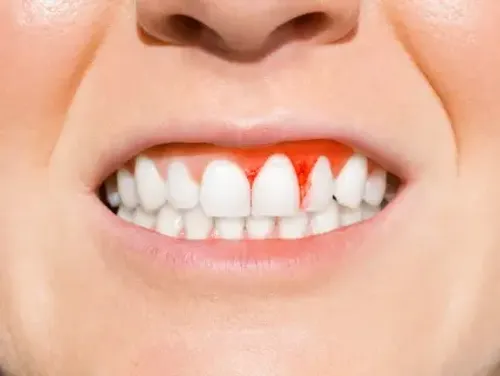
A new gap in an adult can be a warning sign of periodontal bone loss. If teeth are drifting because their support is weakening, simply closing the space can hide the symptom without treating the cause.
Bleeding gums, recession, bad breath or tooth mobility should be assessed first. Read our gum disease guide if your spacing appeared together with gum symptoms.
What About a Large Front Gap?
Large gaps often need orthodontic movement rather than adding a large amount of restorative material. Sometimes the ideal plan is combined treatment: align the teeth first, then use small amounts of bonding or veneers to refine tooth proportions.
Can a Gap Reopen After Treatment?
Yes. Teeth naturally tend to move after orthodontic treatment. A retainer is therefore important after braces or aligners. If tongue thrust, a frenum issue or gum disease contributed to the gap, controlling that cause also reduces the risk of relapse.
How Do Dentists Choose the Best Gap Treatment?
- Size and location of the space
- Tooth width and shape
- Position of the roots
- Bite relationship
- Health and thickness of the gums
- Whether a tooth is congenitally missing
- Your expectations, timeline and budget
When Is a Missing Tooth the Real Reason for the Gap?
If a permanent tooth never developed or was lost, the orthodontic decision may be to close the space or preserve it for a future bridge or implant. That choice depends on facial profile, bite, tooth proportions and age — especially if implant treatment is being considered before growth is complete.
What Should You Ask Before Choosing Treatment?
- Is the gap caused by tooth position, tooth shape, gum disease or a missing tooth?
- Will cosmetic bonding make the teeth look too wide?
- If orthodontics closes the gap, will I need a permanent retainer?
- Do my gums need treatment before the space is closed?
- Would combined orthodontic and cosmetic treatment produce a more natural result?
Frequently Asked Questions
Can a front teeth gap close naturally?
Some gaps in children reduce as permanent teeth erupt. A persistent adult diastema usually does not close predictably without treatment.
Can bonding close a tooth gap?
Yes, composite bonding can close a suitable small gap by adding tooth-coloured material to the sides of the teeth. It changes tooth shape rather than moving the roots.
Are braces always needed for gaps?
No. Small isolated cosmetic gaps may be treated with bonding or veneers. Braces or aligners are more suitable when the space is caused by tooth position or is part of a wider bite problem.
Why did a gap suddenly appear between my teeth?
New spacing in an adult can result from tooth movement, gum disease, missing teeth or bite changes. A new or increasing gap should be examined before cosmetic closure.
Can a gap reopen after braces or aligners?
Yes. Teeth can move after orthodontic treatment, so retainers are important. Habits, frenum problems or gum disease also need to be managed when they contributed to the original gap.
Teeth Gap Assessment in Anandbagh, Hyderabad
At Dr. Sri Sushma Multispeciality Dental Clinic in Anandbagh, treatment is planned after a clinical examination rather than from symptoms alone. We serve patients from Anandbagh, Moula Ali, Malkajgiri, Sainikpuri, AS Rao Nagar, ECIL and nearby Hyderabad and Secunderabad areas.
We first identify why the space exists, then discuss whether moving the teeth or changing their shape is the least invasive predictable option. That can include braces, clear aligners, bonding, veneers or gum treatment.
Compare orthodontic and cosmetic options · Open 9AM–9PM · 365 days a year