Does Laser Dentistry Hurt?
Comfort, Anaesthesia & Recovery Explained
For many patients, the word dentist brings up three worries immediately: pain, injections and the sound of the drill. Laser dentistry can reduce some of those triggers, but it is important to understand what it can realistically change — and what it cannot.
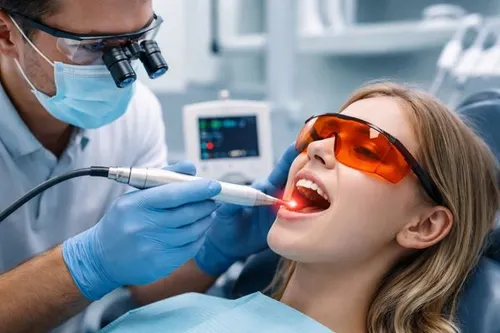
Dental lasers use focused light energy to treat selected hard or soft tissues. Depending on the procedure, they may reduce bleeding, vibration and post-treatment soreness. But laser dentistry is not automatically painless, and it does not replace local anaesthesia or conventional instruments in every case.
Quick answer: many laser procedures feel gentler than their conventional equivalents because there may be less vibration, cutting and bleeding. Small soft-tissue procedures may need little anaesthesia, while deeper gum treatment, cavity preparation or surgery can still require numbing.
What Does Laser Dentistry Actually Feel Like?
The sensation depends on the type of laser and the tissue being treated. Soft-tissue lasers usually do not create the high-pitched drill sound or strong vibration that many anxious patients dislike. You may notice warmth, light pressure or a faint smell as tissue is treated.
For hard-tissue procedures, some patients still need local anaesthesia, especially when treatment is close to the dental nerve or involves a larger cavity. Comfort should be judged by the procedure being performed — not by the word “laser” alone.
When Can Laser Treatment Reduce the Need for Anaesthesia?
| Procedure | Anaesthesia Often Needed? | Why |
|---|---|---|
| Minor gum reshaping | Sometimes topical or minimal | Laser seals small blood vessels while shaping tissue |
| Small oral lesion treatment | Often minimal | Short, precise soft-tissue treatment |
| Frenectomy | Usually local anaesthesia | The area still needs reliable pain control |
| Periodontal pocket treatment | Often local anaesthesia | Deeper tissue and root surfaces may be sensitive |
| Cavity preparation | Case dependent | Depth and proximity to the nerve matter |
| Gum surgery | Usually local anaesthesia | Surgical depth determines comfort needs |
Why Can Laser Dentistry Feel More Comfortable?
Less vibration and noise
For patients who become tense when they hear a dental drill, removing or reducing that sensory trigger can make a major difference. A quieter procedure often feels less stressful even when the total treatment time is similar.
Controlled soft-tissue bleeding
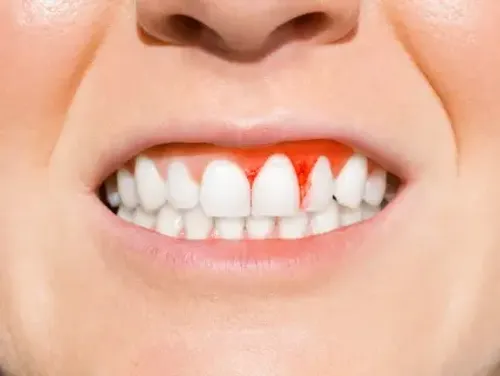
Soft-tissue lasers can coagulate small blood vessels as they work. That can make the treatment field cleaner and reduce the amount of visible bleeding during selected gum procedures.
Precise tissue removal
A laser can be directed to a small target area, which can reduce unnecessary trauma to adjacent healthy tissue. Less tissue trauma can mean less swelling or soreness after suitable procedures.
Does Laser Dentistry Mean “No Pain”?
No treatment should be described as pain-free for every patient. Pain sensitivity varies, and deeper procedures still require proper anaesthesia. The more accurate description is that laser dentistry can make selected procedures more comfortable and less invasive.
If you are anxious, tell the dentist before treatment begins. The plan can include topical numbing, local anaesthesia, shorter appointments or other anxiety-management strategies in addition to laser technology.
Which Dental Treatments Commonly Use Lasers?
- Gum disease therapy as an adjunct to periodontal cleaning
- Gum contouring and correction of selected gummy-smile cases
- Frenectomy for selected lip-tie or tongue-tie cases
- Management of some oral ulcers and soft-tissue lesions
- Soft-tissue access around teeth and restorations
- Selected cavity preparation with suitable hard-tissue lasers
- Adjunctive disinfection in selected endodontic procedures
For a broader overview of indications, read our complete laser dentistry guide.
What Is Recovery Like After Laser Dental Treatment?
Recovery depends more on the procedure than on the device. Minor soft-tissue work may cause only mild tenderness. Periodontal treatment or larger surgical procedures can still produce soreness and require a softer diet for a short period.
- Follow the brushing and rinsing instructions given for the treated area
- Avoid repeatedly touching a healing gum site with your tongue or fingers
- Use prescribed or recommended medication only as directed
- Choose soft, comfortable foods if the gum is tender
- Contact the clinic if pain or swelling becomes worse rather than better
Is Laser Dentistry Better for Dental Anxiety?
It can be particularly useful for people whose anxiety is triggered by drill noise, vibration, scalpels or visible bleeding. Children and adults who have postponed treatment because of those triggers may tolerate laser-assisted procedures more easily.
Anxiety has many causes, however. A calm explanation, breaks during treatment and good local anaesthesia are still important. Technology helps most when it is combined with a patient-centred approach.
When Is Conventional Treatment Still Better?
Laser dentistry is a tool, not a replacement for every proven dental technique. Conventional instruments may be more efficient or more predictable for extensive tooth preparation, removal of old restorations, many bone procedures and situations where direct mechanical access is needed.
The right approach is to select the method that gives the most predictable result for that particular tooth or gum problem. Our laser vs traditional dentistry comparison explains that decision in more detail.
Frequently Asked Questions
Does laser dentistry hurt?
Many selected laser procedures are comfortable because there is less vibration and soft-tissue trauma, but deeper treatment can still require local anaesthesia. Comfort depends on the procedure, tissue depth and individual sensitivity.
Can laser dental treatment be done without an injection?
Some small soft-tissue procedures may need only topical or minimal anaesthesia. Periodontal treatment, surgery and many hard-tissue procedures can still need injectable local anaesthesia for reliable pain control.
Is there bleeding after laser gum treatment?
Soft-tissue lasers can seal small blood vessels as they work, so bleeding is often reduced. Some oozing can still occur depending on the size and depth of the procedure.
How long is recovery after laser dentistry?
Minor soft-tissue procedures may settle quickly, while deeper periodontal or surgical treatment can take several days or longer. Recovery depends mainly on the procedure performed rather than the device alone.
Is laser dentistry safe?
Dental lasers are considered safe when the correct wavelength and settings are used by a trained dental professional with appropriate protective eyewear and case selection.
Laser Dentistry and Comfort-Focused Care in Anandbagh
At Dr. Sri Sushma Multispeciality Dental Clinic in Anandbagh, treatment is planned after a clinical examination rather than from symptoms alone. We serve patients from Anandbagh, Moula Ali, Malkajgiri, Sainikpuri, AS Rao Nagar, ECIL and nearby Hyderabad and Secunderabad areas.
If dental fear is delaying treatment, tell us what specifically worries you — injections, drill noise, bleeding or past painful experiences. We can explain whether a laser genuinely changes the procedure and what anaesthesia will still be needed.
Ask whether a laser-assisted option is suitable · Open 9AM–9PM · 365 days a year