Receding Gums in Hyderabad:
Causes, Treatment & Can Gums Grow Back?
Have you noticed that one tooth suddenly looks longer than the others? Or does cold water cause a sharp sensation near the gum line? These can be early signs of gum recession.
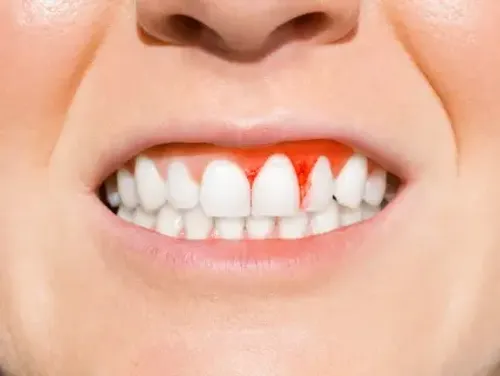
Gum recession happens when the edge of the gum moves away from its normal position around a tooth, exposing part of the tooth root. It may affect one tooth, several teeth or a larger section of the mouth.
Recession is often associated with gum disease, but periodontal disease is not the only cause. Thin gum tissue, tooth position, brushing trauma, tobacco use and other factors can also contribute.
Quick answer: Receding gum tissue normally does not grow back by itself. However, early treatment can often stop further recession. Sensitivity and exposed roots can be managed, and gum grafting may restore coverage in suitable cases.
What Is Gum Recession?
Healthy gums form a protective seal around each tooth. When this gum margin moves downward on a lower tooth or upward on an upper tooth, more of the tooth becomes visible.
The part exposed by recession is often the tooth root. Unlike the visible crown of a tooth, which is protected by hard enamel, the root surface has less protection and can therefore become more sensitive and vulnerable to wear or decay.
This is why gum recession is more than a cosmetic concern. Finding the cause early helps protect both the gum tissue and the tooth underneath it.
Can Receding Gums Grow Back?
This is one of the most common questions patients ask.
Once gum tissue has genuinely receded, it generally does not regenerate back to its original position naturally.
But that does not mean nothing can be done.
Treatment has several possible goals:
- Stop the recession from progressing
- Treat gum disease if it is present
- Correct traumatic brushing or other contributing habits
- Reduce sensitivity from an exposed root
- Protect the root from further wear or decay
- Improve appearance where recession affects the smile
- Replace or reposition lost gum tissue with periodontal surgery when appropriate
So the more useful question is not simply whether the gum will grow back, but why it receded and whether it is stable or still progressing.
Gum Recession vs Gum Disease: Are They the Same?
No. This distinction is important because the correct treatment depends on the cause.
| Condition | What Is Happening? | Common Signs |
|---|---|---|
| Gum recession | The gum margin has moved away from its normal position | Longer-looking tooth, visible root, sensitivity |
| Gingivitis | Plaque causes inflammation limited mainly to the gums | Redness, swelling, bleeding while brushing |
| Periodontitis | Gum disease affects deeper supporting tissues and bone | Recession, deep pockets, bad breath, bone loss or loose teeth |
Periodontitis can certainly cause recession, but someone can also have an isolated receding gum around one tooth without having generalized periodontal disease.
For a broader explanation of periodontal disease, see our guide to gum disease in Hyderabad.
Early Signs of Receding Gums
Gum recession often develops gradually, so patients may not notice it immediately.
Common warning signs include:
- One tooth appearing longer than neighbouring teeth
- A visible yellowish or darker area near the gum line
- A small notch where the tooth meets the gum
- Sensitivity to cold drinks, sweets or brushing
- A change in the shape or level of the gum line
- Food collecting around an exposed root area
- Bleeding or inflammation if gum disease is also present
If the gums are also bleeding regularly, read our bleeding gums guide because the two symptoms can occur together when inflammation is present.
Why Do Gums Recede?
Gum recession is usually multifactorial. In other words, more than one factor may be involved.
1. Periodontal Disease
Periodontitis damages the supporting structures around teeth. As gum and bone support are lost, the gum margin may gradually move away from the tooth.
Recession caused by periodontal disease is often accompanied by bleeding, bad breath, deeper gum pockets, bone loss or tooth mobility.
2. Plaque and Tartar Buildup
Plaque that remains around the gum line can trigger inflammation. Over time, plaque may harden into tartar, which cannot be removed with normal brushing.
In susceptible patients, persistent inflammation can contribute to periodontal breakdown and recession.
3. Aggressive Brushing
More pressure does not mean cleaner teeth.
Repeatedly scrubbing the gum margin with excessive force, especially when the gum tissue is naturally thin, may traumatise the area and contribute to recession and tooth wear.
A soft-bristled toothbrush and controlled brushing technique are generally safer than aggressive horizontal scrubbing.
4. Naturally Thin Gum Tissue
People have different periodontal tissue thicknesses. Some have thick, robust gum tissue, while others naturally have a thinner gum phenotype.
Thin tissue may be more susceptible to recession when combined with brushing trauma, inflammation or an unfavourable tooth position.
5. Tooth Position and Orthodontic Factors
A tooth positioned toward the outside of the supporting bone may have thinner tissue covering it.
Orthodontic treatment itself should not automatically be blamed whenever recession appears. Tooth position, available bone, existing gum thickness and the direction of tooth movement all need to be considered together.
Patients who already have recession or very thin tissue may benefit from a periodontal assessment before major orthodontic movement.
6. Smoking and Tobacco
Smoking and chewing tobacco are associated with poorer periodontal health and can increase the risk of gum problems. Tobacco can also mask visible bleeding, meaning significant periodontal disease may develop with fewer obvious symptoms.
7. Local Trauma
Repeated trauma from habits or oral jewellery such as lip or tongue piercings can irritate gum tissue around particular teeth and may contribute to localized recession.
Why Exposed Tooth Roots Matter
The root of a tooth is not designed to remain exposed in the same way as enamel.
Root exposure can lead to:
- Cold or sweet sensitivity
- Discomfort while brushing
- Greater risk of root-surface decay
- Wear or abrasion near the gum line
- An uneven gum line
- Teeth appearing longer
In advanced periodontal cases, recession may also occur with loss of supporting bone and increased tooth mobility.
How Is Gum Recession Diagnosed?
A dentist cannot determine the correct treatment simply by seeing that the root is exposed. The underlying cause must be identified.
A gum assessment may include:
- Measuring the amount of recession around individual teeth
- Checking gum pocket depths
- Looking for bleeding and inflammation
- Assessing plaque and tartar levels
- Checking tooth position and bite
- Looking for toothbrush abrasion or other trauma
- Assessing tooth mobility
- Dental X-rays when needed to evaluate supporting bone levels
Two patients can have the same amount of visible recession but require completely different treatments depending on these findings.
How Are Receding Gums Treated?
There is no single treatment that is right for every receding gum. Treatment should address the cause first.
| Situation | Possible Treatment Direction |
|---|---|
| Mild, stable recession | Monitoring, brushing correction and sensitivity management |
| Plaque or tartar-related inflammation | Professional scaling and improved plaque control |
| Periodontitis | Scaling and root planing plus periodontal treatment |
| Exposed root with sensitivity | Desensitising care, fluoride or selected restorative options |
| Progressive or significant recession | Periodontal evaluation and possible gum grafting |
| Recession related to tooth position | Combined periodontal and orthodontic assessment |
Professional Scaling
If inflammation is present because of plaque or tartar, a professional cleaning may be the first step.
Scaling removes hardened deposits that cannot be removed by brushing at home. Treating inflammation is important before deciding whether any additional recession treatment is necessary.
Learn more about professional cleaning on our preventive dentistry page.
Scaling and Root Planing
When recession occurs together with periodontitis and deeper periodontal pockets, scaling and root planing may be needed.
This treatment removes bacterial deposits and tartar from below the gum line and from root surfaces. The goal is to control the periodontal infection and prevent further loss of supporting tissue.
See our gum disease treatment in Hyderabad for information about periodontal treatment options.
Desensitising Treatment
If recession is stable but the exposed root is sensitive, treatment may focus primarily on comfort and protection.
Depending on the tooth, this can include desensitising toothpaste, professional fluoride or other dental desensitising agents.
Composite Bonding for Selected Cases
In selected cases, tooth-coloured composite material can be used to cover or protect part of an exposed root surface, particularly when cervical wear or sensitivity is present.
Bonding does not replace missing gum tissue and is not suitable for every type of recession, but it can be useful in specific situations.
Gum Graft Surgery
Gum grafting is one of the main periodontal procedures used when more tissue is needed around a tooth or when root coverage is an important treatment goal.
During soft-tissue grafting, gum tissue is added or repositioned around the affected area. Depending on the anatomy, the graft may help:
- Cover part or all of an exposed root
- Increase gum thickness around a vulnerable tooth
- Reduce sensitivity
- Improve the appearance of an uneven gum line
- Reduce the risk of further recession in selected cases
Not every recession defect can achieve complete root coverage. Results depend on factors such as the position of the tooth, supporting bone, recession pattern and health of the surrounding tissues.
Does Laser Treatment Fix Receding Gums?
Laser dentistry and gum grafting are not the same treatment.
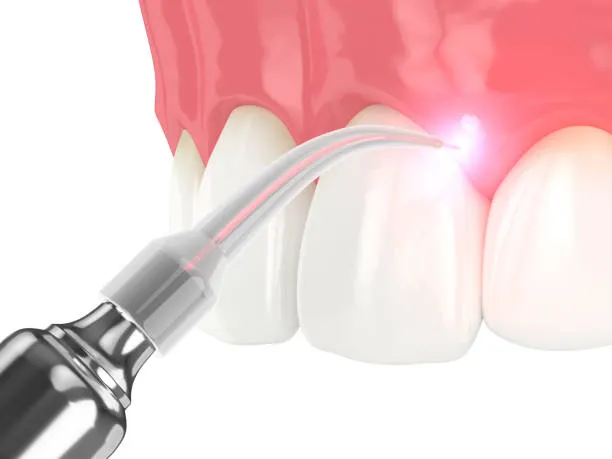
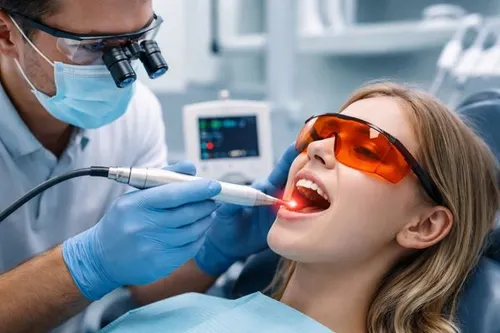
A dental laser may be useful when active periodontal infection or inflamed gum pockets need treatment. But a laser by itself does not simply make lost gum tissue grow back over an exposed root.
If the main objective is to increase tissue thickness or cover an exposed root, periodontal soft-tissue grafting may be more appropriate.
You can read more about appropriate uses of dental lasers in our laser dentistry guide.
Can Gum Recession Be Stopped Without Surgery?
Often, yes — particularly when the recession is mild and the cause can be controlled.
For example, changing an aggressive brushing technique may prevent further trauma. Treating plaque-related inflammation may stabilise periodontal tissues. Managing tobacco use and maintaining regular professional care may also reduce future risk.
However, stopping progression is different from rebuilding tissue that has already been lost.
Whether surgery is necessary depends on progression, sensitivity, tissue thickness, root exposure, appearance and the underlying periodontal condition.
How to Prevent Further Gum Recession
Good prevention starts with protecting the gum margin rather than aggressively scrubbing it.
- Use a soft-bristled toothbrush
- Brush gently rather than applying excessive pressure
- Clean between teeth every day
- Have tartar removed professionally when necessary
- Do not smoke or use chewing tobacco
- Attend regular dental examinations so changes can be compared over time
- Have persistent grinding, bite problems or tooth-position issues professionally assessed
- Seek treatment early if recession is visibly getting worse
When Should You See a Dentist?
Arrange an examination if you notice that a gum line has changed, especially if the recession appears to be progressing.
See a dentist if:
- A tooth looks noticeably longer than before
- You can see part of the tooth root
- Cold drinks consistently trigger sensitivity
- The gum line is becoming increasingly uneven
- You have bleeding or swollen gums as well
- You have persistent bad breath
- A tooth is beginning to feel loose
Gum recession itself may not cause severe pain, so waiting for pain before seeking care can allow the underlying problem to progress.
Frequently Asked Questions
Can receding gums grow back naturally?
Generally, no. Once gum tissue has genuinely receded it does not naturally return to its original level. However, the cause can often be treated to stop further progression, and periodontal grafting can restore tissue coverage in suitable cases.
Why are my gums suddenly receding?
Recession may seem sudden because small changes can go unnoticed for a long time. Periodontal disease, brushing trauma, thin gum tissue, tooth position, tobacco use and local trauma are among the factors a dentist will assess.
Can brushing too hard cause gum recession?
Excessive brushing pressure can traumatise the gum margin, particularly around teeth with thin supporting tissue. Switching to a soft-bristled toothbrush and improving technique can help prevent additional trauma.
Do all receding gums require gum grafting?
No. Some mild, stable cases can be monitored after the cause is corrected. Gum grafting is considered more often when recession is progressing, tissue is very thin, sensitivity is significant or root coverage is desired.
Is gum recession always caused by gum disease?
No. Periodontitis is an important cause, but recession can occur even when there is no active gum disease. Tooth position, brushing trauma and naturally thin gum tissue can also play a role.
Can exposed tooth roots cause sensitivity?
Yes. The tooth root does not have the same protective enamel layer as the crown of the tooth, so exposed roots commonly become sensitive to cold, sweets and brushing.
Gum Recession Treatment in Anandbagh, Hyderabad
At Dr. Sri Sushma Multispeciality Dental Clinic in Anandbagh, we first determine why the gum has receded before recommending treatment.
Depending on the cause, management may involve professional cleaning, periodontal therapy, sensitivity treatment, monitoring or referral for appropriate soft-tissue procedures.
We serve patients from Anandbagh, Moula Ali, Malkajgiri, Sainikpuri, AS Rao Nagar, ECIL and nearby Hyderabad and Secunderabad areas.
- Complete gum and periodontal examination
- Recession and gum-pocket measurements
- Digital X-rays when clinically required
- Professional scaling and periodontal treatment
- Treatment planning based on the cause of recession
- Open 9AM–9PM, 365 days a year
Get the cause checked early · Open 9AM–9PM · 365 days a year