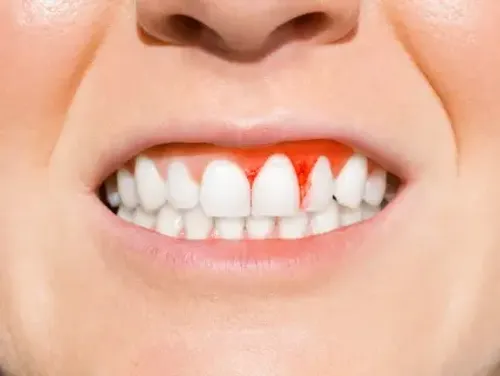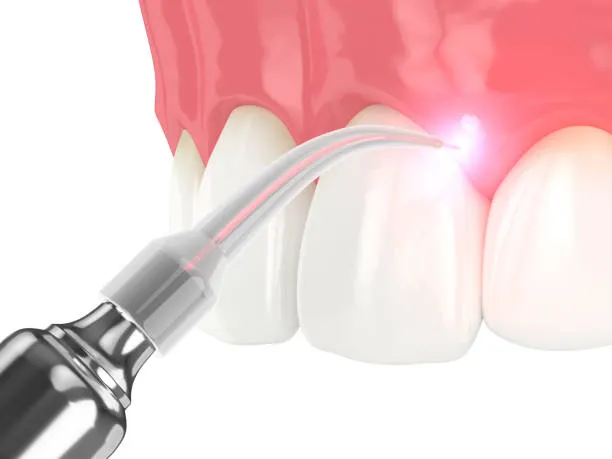
Scaling vs Deep Cleaning:
What’s the Difference?
Patients often use “cleaning,” “scaling” and “deep cleaning” as if they mean the same thing. Clinically, they can describe very different levels of treatment.
A routine professional cleaning removes plaque, tartar and surface deposits mainly from accessible tooth surfaces. A periodontal deep cleaning — usually scaling and root planing — treats bacterial deposits below the gum line when gum disease has created deeper pockets.
The simple difference: routine scaling is preventive maintenance for relatively healthy gums. Deep cleaning is treatment for periodontal disease below the gum line.
Scaling vs Deep Cleaning at a Glance
| Routine Scaling / Cleaning | Deep Cleaning / Root Planing | |
|---|---|---|
| Main goal | Remove routine plaque and tartar | Treat periodontal infection below the gum line |
| Typical patient | Healthy or mildly inflamed gums | Periodontal pockets and deeper deposits |
| Anaesthesia | Usually not needed | Local anaesthesia may be used |
| Visits | Often one visit | May be divided by quadrants or areas |
| Aftercare | Minimal tenderness | Temporary sensitivity or gum soreness can occur |
What Is Routine Dental Scaling?
Scaling removes hardened tartar that cannot be brushed away at home. Ultrasonic and hand instruments clean deposits from around the teeth and gum margins. Polishing may then remove selected surface stains and smooth the tooth surfaces.
Routine scaling is commonly recommended when deposits are present but there is no significant deep periodontal destruction.
What Is Deep Cleaning?
Deep cleaning usually refers to scaling and root planing. The dentist or hygienist cleans deeper under the gum line and smooths contaminated root surfaces where periodontal pockets have formed.
This is treatment for gum disease, not simply a more thorough cosmetic cleaning.
How Do I Know Which One I Need?
The choice should be based on an examination rather than how dirty the teeth look. Your dentist may measure gum pocket depths, check bleeding, recession, tooth mobility and bone levels on X-rays when clinically indicated.
- Shallow healthy pockets with tartar: routine scaling may be enough
- Persistent bleeding and inflammation: a more detailed periodontal assessment is needed
- Deep pockets or bone loss: deep cleaning may be recommended
- Advanced defects that remain after nonsurgical therapy: surgical treatment may be considered
Does Deep Cleaning Hurt?
Local anaesthesia can be used when deeper root surfaces are sensitive. Afterwards, some gum tenderness or tooth sensitivity may occur temporarily. Severe worsening pain is not expected and should be reviewed.
Why Can Teeth Feel More Sensitive After Deep Cleaning?
When inflammation and tartar are removed, previously covered root surfaces can become more exposed to temperature changes. The gum may also shrink as swelling resolves. Sensitivity often improves, but desensitising toothpaste or professional treatment may be useful if it persists.
Will Deep Cleaning Make Gums Reattach?
The goal is to reduce inflammation and create a clean root surface that allows the gum tissue to heal more closely around the tooth. It cannot recreate all bone that has already been lost, but it can help control disease and reduce pocket inflammation.
What Happens If Deep Cleaning Does Not Control the Disease?
Periodontal pockets are reassessed after healing. If deep areas remain inaccessible or there are complex bone defects, additional periodontal treatment may be considered. That can include surgical access or regenerative procedures depending on the defect.
Read our gum disease stages guide for the broader treatment pathway.
How Often Do You Need Scaling?
There is no universal interval for every person. Healthy low-risk patients may need routine maintenance less often than someone who builds tartar quickly or has a history of periodontal disease. Periodontal maintenance may be recommended more frequently after active gum treatment.
Can Scaling Damage Enamel?
Professional scaling is designed to remove deposits from tooth surfaces, not grind away healthy enamel. If this concern is what has been stopping you from booking a cleaning, see our dedicated scaling and enamel myths guide.
What Should Happen After Deep Cleaning?
Reassessment is important. Your dentist checks whether bleeding has reduced, pockets have become easier to maintain and your home plaque control is effective. Areas that remain deep are not automatically a failure — they simply need a new decision based on the response to treatment.
Frequently Asked Questions
Is deep cleaning the same as normal scaling?
No. Deep cleaning usually means scaling and root planing below the gum line to treat periodontal pockets, while routine scaling removes plaque and tartar mainly for prevention and maintenance.
Can I ask for deep cleaning even if I have healthy gums?
More treatment is not automatically better. Deep cleaning should be recommended because periodontal findings show that deeper root surfaces need treatment.
How many visits does deep cleaning take?
It depends on the number and depth of affected areas. Some cases are completed in one visit; others are divided into sections of the mouth for comfort and thoroughness.
Will deep cleaning stop bleeding gums?
When bleeding is caused by periodontal inflammation, removing plaque and tartar can allow the gums to heal. Daily plaque control remains essential.
Do I still need maintenance after deep cleaning?
Yes. Periodontal disease can recur, so ongoing professional cleaning and monitoring are part of long-term control.
Scaling and Periodontal Cleaning in Anandbagh
At Dr. Sri Sushma Multispeciality Dental Clinic in Anandbagh, treatment is planned after a clinical examination rather than from symptoms alone. We serve patients from Anandbagh, Moula Ali, Malkajgiri, Sainikpuri, AS Rao Nagar, ECIL and nearby Hyderabad and Secunderabad areas.
We recommend routine scaling or deep cleaning according to your gum measurements and disease activity — not simply a one-size-fits-all cleaning package.
Book a gum assessment before choosing treatment · Open 9AM–9PM · 365 days a year