Dental Implant Failure:
Warning Signs, Causes & What to Do
A dental implant that has healed should feel stable and comfortable. New movement, persistent swelling, bleeding or pain around an implant deserves attention because early treatment may prevent a small problem from becoming a major one.
Not every problem means the implant fixture itself has failed. Sometimes the crown, screw or surrounding gum is the issue. The first step is identifying which part of the implant system is causing the symptom.
Seek a review promptly if: the implant feels mobile, the gum repeatedly bleeds or swells, pus appears, pain returns after healing, the bite suddenly feels different, or the crown moves.
Early vs Late Implant Failure
| Early Problem | Late Problem | |
|---|---|---|
| Timing | Before or during initial integration | After the implant has functioned for months or years |
| Common issues | Poor integration, infection, instability | Peri-implant disease, overload, component problems |
| Main concern | Bone does not form a stable connection | Previously stable implant loses tissue support or mechanical integrity |
Warning Sign 1: The Implant Itself Feels Loose
A fully integrated implant fixture should not move. Mobility can indicate loss of integration or supporting bone and needs prompt assessment.
Sometimes what feels loose is only the crown or abutment screw, which can be repairable without removing the implant fixture.
Warning Sign 2: Bleeding or Swelling Around the Implant
Inflammation around implants can begin in the soft tissue and may progress to bone loss. Regular bleeding during cleaning, puffiness, pus or persistent bad taste should not be ignored.
Warning Sign 3: Pain After the Healing Phase
Mild soreness is expected after surgery. New pain months or years later is different and can be associated with inflammation, bite overload, a fractured component or another nearby dental problem.
Warning Sign 4: Gum Recession or Exposed Implant Threads
Recession can affect appearance and cleanability. Visible implant threads may indicate tissue or bone loss and should be assessed even if the implant does not hurt.
Warning Sign 5: The Crown Is Moving or the Bite Has Changed
A loose screw, worn crown or fracture can create movement without biological implant failure. These mechanical problems are usually easier to manage when treated early.
What Causes Implant Problems?
- Plaque-related peri-implant inflammation
- Smoking and poor oral hygiene
- Uncontrolled periodontal disease elsewhere in the mouth
- Poorly controlled systemic risk factors
- Insufficient bone or poor initial stability
- Excessive bite forces or grinding
- Restorations that are difficult to clean
- Mechanical wear, screw loosening or fracture
What Is Peri-Implantitis?
Peri-implantitis is inflammation around an implant accompanied by progressive loss of supporting bone. It can be painless in early stages, which is why bleeding and pocket changes during maintenance visits matter.
Can a Failing Implant Be Saved?
Sometimes. Treatment depends on whether the problem is biological or mechanical and how much tissue support remains. Options may include professional debridement, improving plaque control, treating the implant surface, adjusting the bite, replacing a screw or crown, or regenerative treatment in selected defects.
A mobile implant that has lost integration often needs removal, followed by healing and reassessment.
What Happens If an Implant Is Removed?
The site is cleaned and allowed to heal. Depending on the amount of bone remaining, grafting may be performed at removal or later. A new implant can sometimes be placed after the area has recovered, but the plan is individual.
How Can You Reduce Failure Risk?
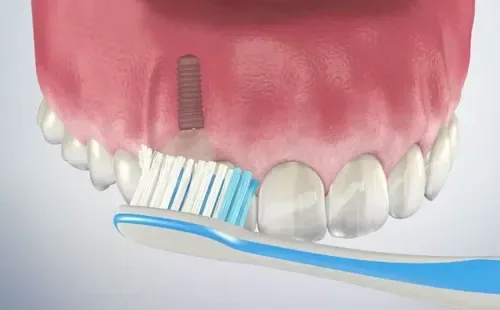
- Brush twice daily and clean around the implant every day
- Attend regular professional maintenance
- Avoid smoking and tobacco
- Control gum disease around natural teeth
- Use a night guard if significant grinding is diagnosed
- Have a loose crown or screw checked promptly
Our implant maintenance guide covers daily care in more detail.
How Is This Different From the Implant Safety Article?
The implant safety guide is for patients deciding whether to have implant treatment. This page is for someone who already has an implant and is worried about a new symptom — so the search intent and content remain separate.
Frequently Asked Questions
How do I know if the implant or only the crown is loose?
It is difficult to tell reliably at home. The dentist can stabilise the crown and examine the implant fixture separately, often with an X-ray.
Can a dental implant fail without pain?
Yes. Bone loss and peri-implant inflammation can progress with little pain, which is why bleeding, pocket changes and maintenance checks matter.
Is bleeding around an implant normal?
Repeated bleeding around a healed implant is a sign of inflammation and should be assessed rather than accepted as normal.
Can a failed dental implant be replaced?
Often, but the cause of failure and remaining bone need to be evaluated first. Grafting or a healing period may be required before another implant is considered.
What should I do if my implant hurts when I bite?
Avoid heavy chewing on the area and arrange an examination. Bite-related pain can come from the crown, screw, surrounding tissue, implant or a nearby tooth.
Dental Implant Problem Assessment in Anandbagh
At Dr. Sri Sushma Multispeciality Dental Clinic in Anandbagh, treatment is planned after a clinical examination rather than from symptoms alone. We serve patients from Anandbagh, Moula Ali, Malkajgiri, Sainikpuri, AS Rao Nagar, ECIL and nearby Hyderabad and Secunderabad areas.
We assess implant movement, gum inflammation, bite, restoration components and bone levels before deciding whether the problem can be managed conservatively or needs surgical treatment.
Have the implant and crown checked before the problem progresses · Open 9AM–9PM · 365 days a year