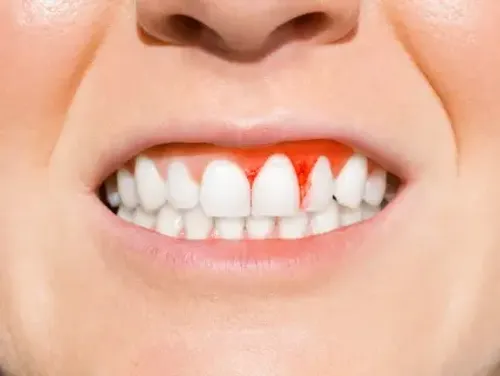
Gum Flap Surgery:
When It’s Needed, Procedure & Recovery
Gum flap surgery is usually not the first treatment for gum disease. It is considered when deep periodontal pockets, persistent infection or bone defects remain after nonsurgical treatment and the dentist needs direct access to the root and supporting bone.
The word “surgery” can sound alarming, but understanding why it is recommended and what happens during recovery makes the decision easier.
Important: bleeding gums alone do not mean you need flap surgery. Most gum disease begins with professional cleaning and home plaque control. Surgery is generally reserved for selected advanced areas that remain difficult to treat nonsurgically.
What Is Periodontal Flap Surgery?
During flap surgery, the gum is gently reflected away from the tooth so the dentist can see and clean root surfaces and bone directly. After treatment, the gum is repositioned and sutured.
When Might Flap Surgery Be Recommended?
- Deep periodontal pockets remain after scaling and root planing
- Tartar or root anatomy cannot be cleaned adequately without direct access
- There are bone defects around teeth that may benefit from regenerative treatment
- Inflammation persists despite good home care and nonsurgical therapy
- The shape of the gum or bone needs modification to improve cleanability
Deep Cleaning vs Flap Surgery
| Scaling & Root Planing | Flap Surgery | |
|---|---|---|
| Access | Instruments work below the gum without opening it | Gum is reflected for direct visibility |
| Typical role | First-line periodontal treatment | Selected persistent or advanced sites |
| Sutures | No | Usually yes |
| Recovery | Usually mild | More structured surgical aftercare |
| Bone regeneration | Limited direct access | Grafts or membranes can be placed when indicated |
If you are still trying to understand why your dentist has recommended one treatment rather than the other, read our scaling vs deep cleaning guide before comparing it with surgery.
What Happens Before Surgery?
The dentist reviews periodontal measurements, X-rays, medical history and response to previous treatment. Smoking, diabetes control, medications and home plaque control can influence healing and should be discussed.
Step-by-Step: What Happens During Flap Surgery?
1. Local anaesthesia
The surgical area is thoroughly numbed so you should feel pressure rather than sharp pain.
2. Access to the roots
The gum is carefully lifted to expose root surfaces and affected bone.
3. Deep debridement
Tartar, bacterial deposits and inflamed tissue are removed under direct vision.
4. Bone management when required
Irregular bone may be reshaped, or regenerative materials such as bone grafts or membranes may be used in selected defects.
5. Repositioning and sutures
The gum is repositioned to create a maintainable periodontal contour and secured with sutures.
What Is Recovery Like?
Tenderness, mild swelling and minor bleeding can occur in the first few days. Follow the specific instructions for brushing, rinsing, diet and medication. Avoid pulling the lip or cheek repeatedly to inspect the surgical area.
- Choose softer foods initially
- Avoid smoking and tobacco
- Do not brush directly over sutures until advised
- Use prescribed mouth rinse if provided
- Attend the scheduled review or suture-removal visit
Will Flap Surgery Make My Gums Recede?
As inflammation resolves and the gum is repositioned, teeth can look longer and previously hidden root surfaces may become more visible. This is sometimes an unavoidable trade-off when treating advanced periodontal pockets.
If you are concerned about existing recession, see our gum recession guide.
Can Bone Grow Back After Gum Surgery?
Some periodontal bone defects are suitable for regenerative procedures, while others are not. The shape and number of remaining bony walls, tooth prognosis, plaque control and smoking status all influence whether regeneration is realistic.
Can Laser Treatment Replace Flap Surgery?
Laser-assisted periodontal therapy can be useful in selected cases, but it is not a universal substitute for direct surgical access. Deep complex defects may still require conventional flap surgery.
How Do Dentists Judge Whether Surgery Worked?
Long-term success is judged by reduced inflammation, maintainable pocket depths, stable tooth support and good plaque control — not only by how the gums look immediately after healing.
Frequently Asked Questions
Is gum flap surgery painful?
The area is numbed with local anaesthesia during surgery. Post-operative soreness is expected but should gradually improve with the aftercare plan provided.
How long does recovery take after flap surgery?
Initial soft-tissue healing occurs over the first one to two weeks, while deeper tissue maturation takes longer. The exact timeline depends on the extent of surgery and whether grafting was performed.
Will stitches dissolve after gum surgery?
Some sutures dissolve and others need removal. Your dentist will tell you which type was used and when follow-up is required.
Can flap surgery save loose teeth?
It can help control periodontal infection and improve access for treatment, but the prognosis of a loose tooth depends on how much supporting bone remains and how well disease can be controlled.
Do I still need maintenance after flap surgery?
Yes. Periodontal disease can recur. Surgery does not replace daily plaque control and professional periodontal maintenance.
Periodontal Surgery in Anandbagh, Hyderabad
At Dr. Sri Sushma Multispeciality Dental Clinic in Anandbagh, treatment is planned after a clinical examination rather than from symptoms alone. We serve patients from Anandbagh, Moula Ali, Malkajgiri, Sainikpuri, AS Rao Nagar, ECIL and nearby Hyderabad and Secunderabad areas.
We use a staged approach: diagnosis, nonsurgical periodontal treatment, reassessment and surgery only where it adds value. This avoids overtreating early disease while giving advanced areas the access they may need.
Understand why and whether nonsurgical treatment has been completed first · Open 9AM–9PM · 365 days a year