Loose Teeth in Adults:
Can They Be Saved?
Medically reviewed by Dr.Sri Sushma, MDS (Periodontics & Implantology).
Noticing an adult tooth move when you eat or brush can leave you wondering whether it will need to be removed. Some loose teeth can be preserved, but the answer depends on why the tooth is moving and how much support remains.
If you are looking for loose teeth treatment in Hyderabad, the first step is an examination. This guide explains what patients in Anandbagh, Moula Ali and Malkajgiri can expect before deciding on treatment.
Can the tooth be saved? A loose adult tooth does not automatically need an implant. The dentist first checks the cause, the condition of the tooth and its supporting bone. Arrange an assessment even if the tooth does not hurt.
Loose Teeth at a Glance
| What you notice | What to do |
|---|---|
| A newly loose adult tooth, with or without pain | Contact a dentist promptly for an assessment |
| A loose tooth after a fall or blow to the mouth | Seek immediate dental assessment |
| Looseness with significant pain, swelling, pus or fever | Seek urgent dental care |
| Swelling with difficulty breathing or swallowing | Go to a hospital emergency department immediately |
Why Do Adult Teeth Become Loose?
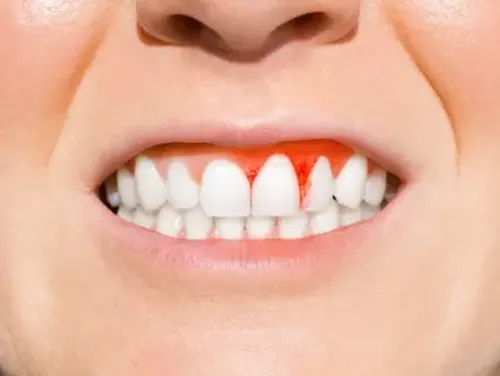
One possible cause is periodontitis, a form of gum disease that damages the tissues and bone supporting the teeth. Bleeding, receding gums, discomfort when chewing or teeth that have started to shift may occur alongside the movement. Smoking and diabetes are among the factors considered when assessing gum health.
An injury can also loosen a tooth. A tooth affected by a fall or blow needs immediate dental assessment, even when the damage looks small. The treatment may be different from treatment for gum disease.
Read about gum disease assessment and treatment for the broader periodontal care pathway.
How Does a Dentist Decide Whether a Tooth Can Be Saved?
The assessment checks tooth movement, bleeding and the depth of the spaces around the teeth, called periodontal pockets. Dental X-rays may be needed to assess supporting bone. Your medical history, medicines and smoking history also help guide the plan.
Ask these questions during your consultation:
- What is causing this tooth to move, and how much support remains?
- What treatment could help preserve it, and what are the limits?
- When will you reassess it, and what would change the recommendation?
Can Deep Cleaning Help a Loose Tooth?
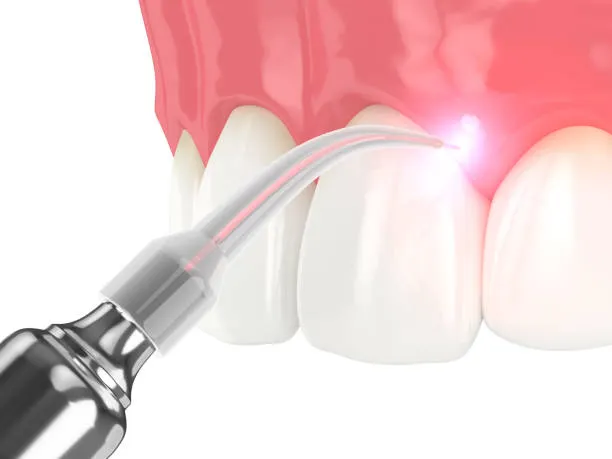
When gum disease is responsible, scaling and root planing may be used to remove deposits below the gumline. The gums are reassessed after healing to decide whether further treatment is needed. Treatment aims to control inflammation and help maintain the tooth; the outcome depends on the support that remains.
Our scaling vs deep cleaning guide explains how periodontal cleaning differs from routine scaling.
What Is Dental Splinting?
A dental splint connects a mobile tooth to neighbouring teeth for support. It may be considered in selected cases to improve comfort and make periodontal treatment easier. The underlying disease still needs treatment, and the splint needs to be kept clean and checked during follow-up care. Splinting does not mean that every loose tooth can be saved.
When Might Gum Surgery or Removal Be Considered?
Some patients need periodontal surgery to reach deposits in areas that remain difficult to clean. Regenerative treatment may help selected bone defects, but it is not suitable for every pattern of bone loss. Ongoing cleaning and review appointments remain part of care.
If a tooth has too little support or cannot be maintained, removal may be recommended. Ask why preservation is unlikely to work and which replacement options would suit your situation. A dental implant is one possible option after tooth loss; suitability needs a separate assessment.
What Should You Do Before Your Appointment?
Choose softer foods if chewing hurts and clean gently with a soft toothbrush. Avoid repeatedly testing or wiggling the tooth, and do not try to glue or splint it yourself. Arrange an examination rather than relying on a home remedy to tighten it.
For injury, significant pain, swelling, pus or fever, seek urgent dental care. If swelling affects breathing or swallowing, go straight to a hospital emergency department. Our emergency dental care page explains how to contact the clinic during its opening hours.
Frequently Asked Questions
Can a loose adult tooth become firm again?
Some movement may improve when inflammation and other contributing problems are treated. The outlook depends on the cause, the condition of the tooth and how much supporting bone remains. A dental examination is needed to assess that tooth.
Should I wait until a loose tooth starts hurting?
No. Arrange a dental assessment for a newly loose adult tooth even if it does not hurt. A tooth loosened by an injury, or accompanied by significant pain, swelling, pus or fever, needs urgent dental care.
Does splinting cure gum disease?
No. A splint supports selected mobile teeth, but the underlying gum disease still needs treatment. Cleaning around the splint and attending follow-up appointments remain important.
Will I definitely need a dental implant?
No. First establish whether the natural tooth can be preserved. If removal is needed, an implant, bridge or denture may be discussed according to your oral health, the space and your preferences.
How much does loose teeth treatment cost in Hyderabad?
The fee depends on the diagnosis, the number of teeth involved and whether you need deep cleaning, splinting, surgery or other care. Ask for a written treatment plan that explains the proposed care and follow-up costs after examination.
Gum Assessment for Loose Teeth in Anandbagh
At Dr.Sri Sushma Multispeciality Dental Clinic, gum care is led by Dr.Sri Sushma, MDS (Periodontics & Implantology). Treatment is planned after examination, with the options and their limits explained before you decide. Patients also visit from Moula Ali, Malkajgiri, Safilguda and nearby areas.
Sanjay Apartment, beside Canara Bank, Anandbagh, Moula Ali, Hyderabad, Telangana 500047, India. Mon–Sun: 9:00 AM – 9:00 PM · Open 365 days a year.
Sources and Further Reading
- NIDCR: periodontal gum disease, symptoms and assessment
- European Federation of Periodontology: periodontitis and treatment
- EFP guideline on stage IV periodontitis: recommendations on splinting
- NHS: gum disease and when to seek urgent dental care
- NHS: dental abscess and emergency warning signs
- American Association of Endodontists: traumatic dental injuries
Book a gum assessment · Open 9AM – 9PM · Open 365 days a year